L200 Green Phantom Pleco
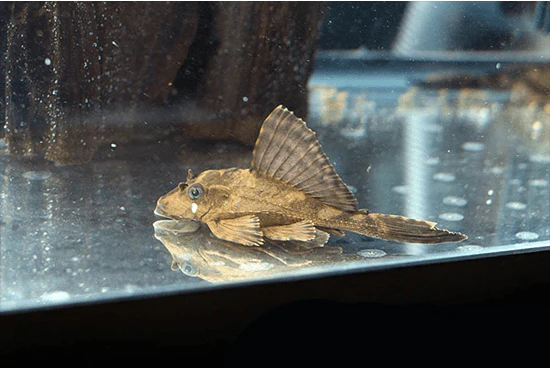
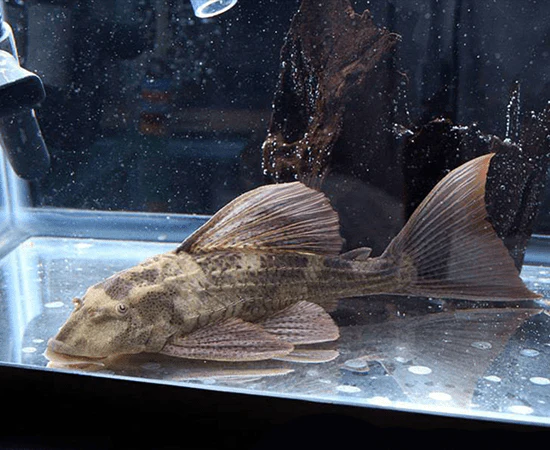
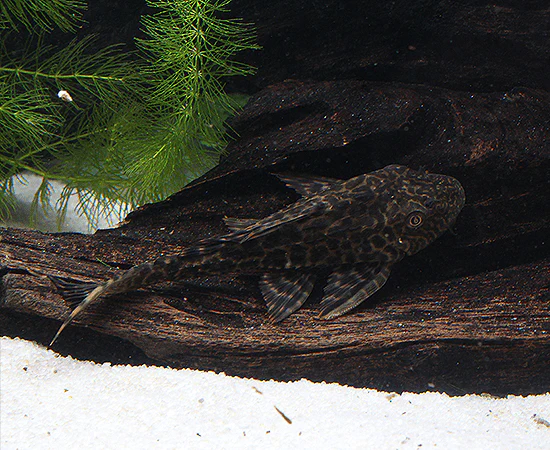
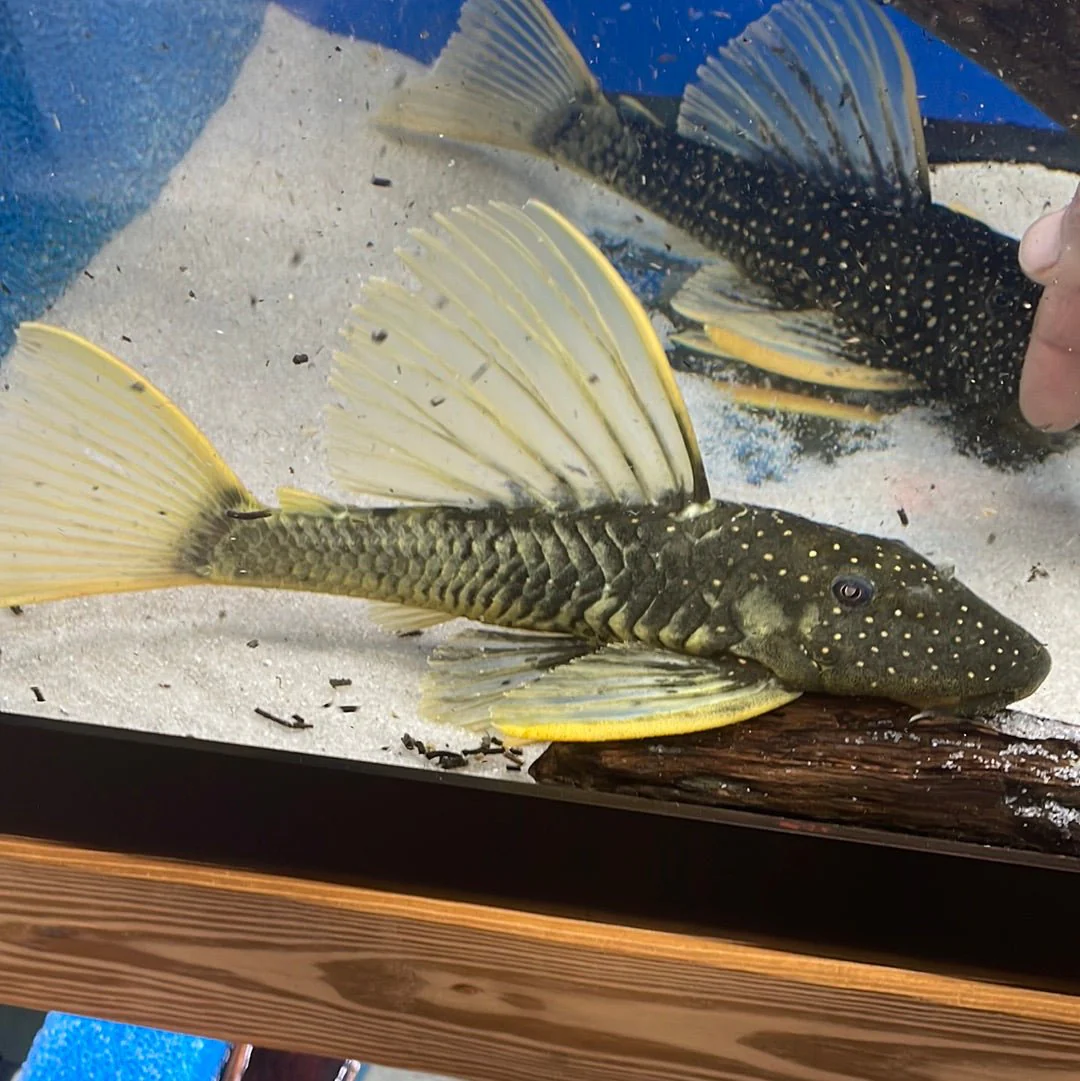
Remarks: L200 green phantom plecos are great choices for moderately sized tanks looking for a pleco with a lot of color. They are olive-green with lime green spots that grow more dense on the head. It should be noted, they will lose this nice color if stressed or kept in incorrect parameters. While most typically top out at 6" in length in captivity, wild specimens can get get as large as 8" from nose to tail. Most Loricariids prefer cooler water, but this species is an exception as it actually does better in warmer water. This makes it a great choice for a tank containing other South American species that like things a bit warmer such as angelfish.
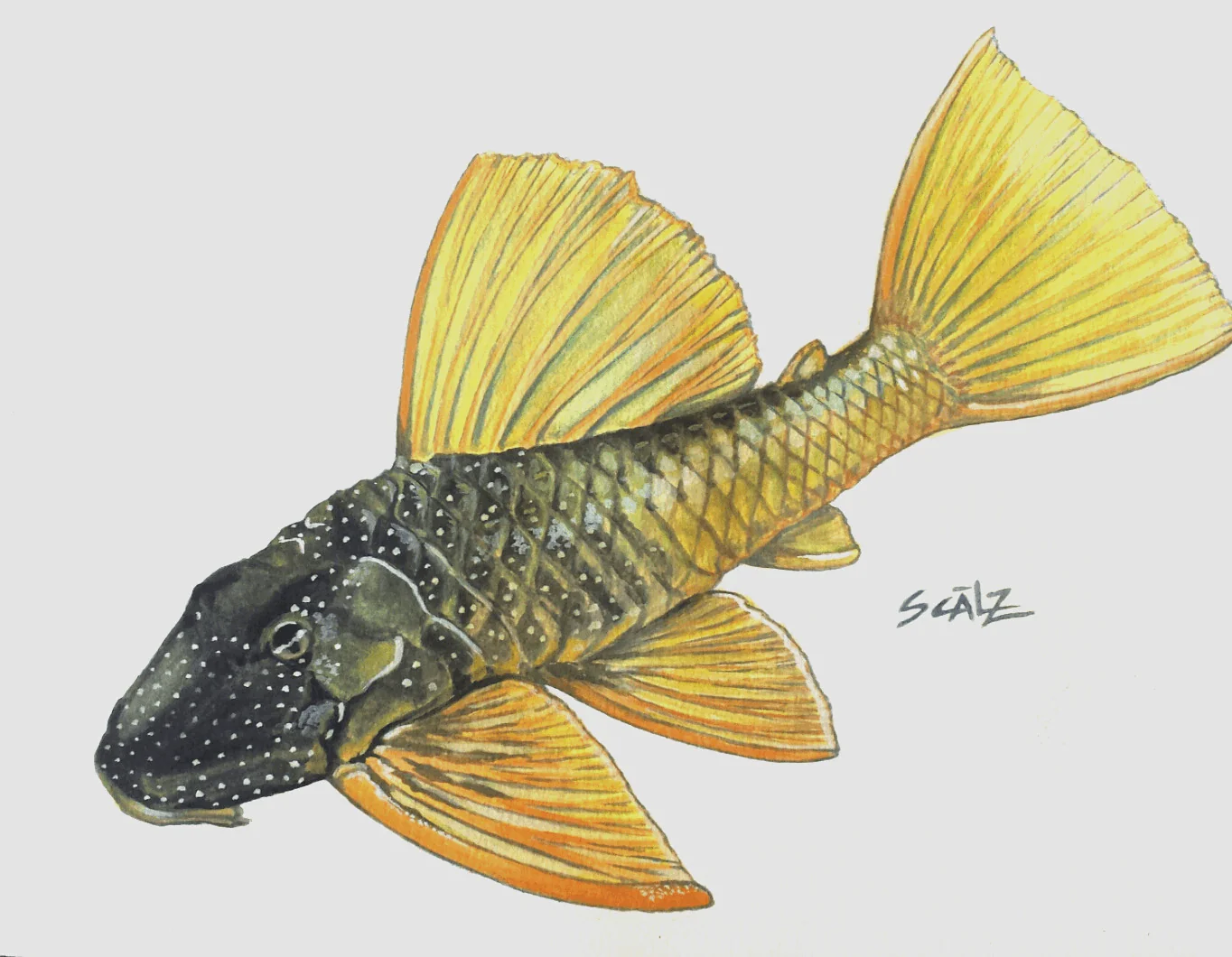
As they are extremely similar looking, the L200 green phantom pleco, Hemiancistrus subviridis, is commonly mistaken for Baryancistrus demantoides. To make things even more confusing, both are commonly imported under the same L-number. There are a few different ways to tell them apart, however. The easier to see difference is that B. demantoides has a larger dorsal fin that is connected to its adipose fin via a fleshy membrane, while in H. subviridis, these fins are separated and its dorsal fin is smaller. Another difference is that the mouth of B. demantoides is rounded while H. subviridis has a more rectangle shaped mouth.
Product Information
Product Information
Shipping & Returns
Shipping & Returns

L200 Green Phantom Pleco
L200 Green Phantom Pleco
Remarks: L200 green phantom plecos are great choices for moderately sized tanks looking for a pleco with a lot of color. They are olive-green with lime green spots that grow more dense on the head. It should be noted, they will lose this nice color if stressed or kept in incorrect parameters. While most typically top out at 6" in length in captivity, wild specimens can get get as large as 8" from nose to tail. Most Loricariids prefer cooler water, but this species is an exception as it actually does better in warmer water. This makes it a great choice for a tank containing other South American species that like things a bit warmer such as angelfish.
As they are extremely similar looking, the L200 green phantom pleco, Hemiancistrus subviridis, is commonly mistaken for Baryancistrus demantoides. To make things even more confusing, both are commonly imported under the same L-number. There are a few different ways to tell them apart, however. The easier to see difference is that B. demantoides has a larger dorsal fin that is connected to its adipose fin via a fleshy membrane, while in H. subviridis, these fins are separated and its dorsal fin is smaller. Another difference is that the mouth of B. demantoides is rounded while H. subviridis has a more rectangle shaped mouth.
Original: $64.99
-65%$64.99
$22.75Product Information
Product Information
Shipping & Returns
Shipping & Returns
Description
Remarks: L200 green phantom plecos are great choices for moderately sized tanks looking for a pleco with a lot of color. They are olive-green with lime green spots that grow more dense on the head. It should be noted, they will lose this nice color if stressed or kept in incorrect parameters. While most typically top out at 6" in length in captivity, wild specimens can get get as large as 8" from nose to tail. Most Loricariids prefer cooler water, but this species is an exception as it actually does better in warmer water. This makes it a great choice for a tank containing other South American species that like things a bit warmer such as angelfish.
As they are extremely similar looking, the L200 green phantom pleco, Hemiancistrus subviridis, is commonly mistaken for Baryancistrus demantoides. To make things even more confusing, both are commonly imported under the same L-number. There are a few different ways to tell them apart, however. The easier to see difference is that B. demantoides has a larger dorsal fin that is connected to its adipose fin via a fleshy membrane, while in H. subviridis, these fins are separated and its dorsal fin is smaller. Another difference is that the mouth of B. demantoides is rounded while H. subviridis has a more rectangle shaped mouth.